
Parasocialism Kills
Dehumanization, internalized misogynoir, and parasocial relationships in the Love Island USA fandom.

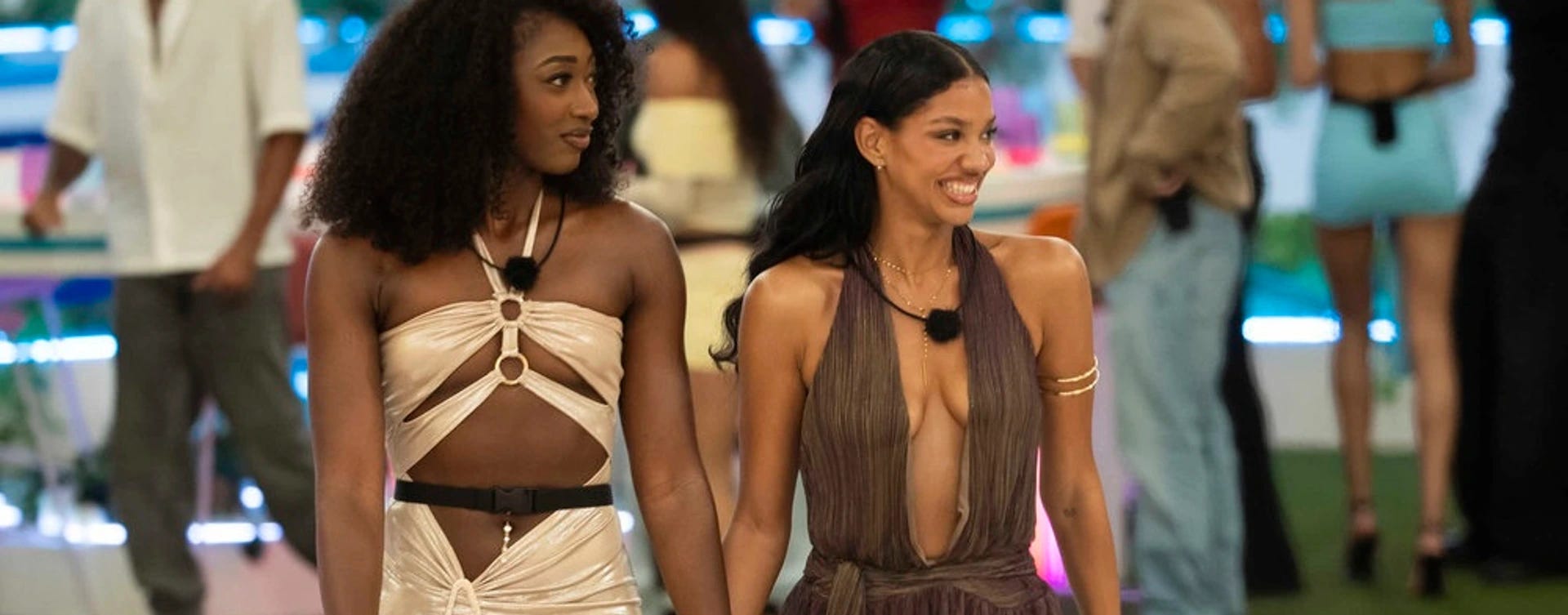
As social media changes, the way people engage with public figures changes. With the rise of influencers, get ready with mes, come with me tos, and crying videos — there’s an entitlement that inherently comes with being an audience member.
At your fingertips, there is access.
Access to baby pictures, social media history, voting registration, felony charges, family members, and more. And so many people think that it’s their right to sift through it and judge from their bedrooms with no desire to give anyone the same rights to their personal information.
With that access comes attachment, things you would normally learn about your friends over a cup of coffee and a breakfast sandwich becomes information you can find and taunt a person with in a comment section. Using terms of endearment like “girl” and “bestie” thinking it changes the fact that you’re out of your league and overstepping boundaries.
But can we blame the audience? When public figures have discovered that the closer you are to your audience the more successful you can become? If people feel as if they’re on FaceTime with you through the screen and that their input on your ugly cheating ex boyfriend matters, they’re more likely to buy your merch and spend their hard earned money to give you that cowboy hat and mustache on TikTok live. They’ll scour your Amazon storefront to buy the jewelry and the blush that you recommended and they’ll ask their hairdresser for your haircut. All while your follower count rises. So of course influencers and public figures feed into it, share private information and respond to commenters, take unsolicited advice as care. Until it bites them in the ass.
As soon as you make a decision that the audience you’ve been bonding with disagrees with, you notice a change in your tolerance. Everyone who has been so invested in your life cannot bear to watch you go out in a way they never imagined you to. What made you wear that outfit and not ask us first? How could you get back with the boyfriend we all hate? Why did you cut your hair into that bob?
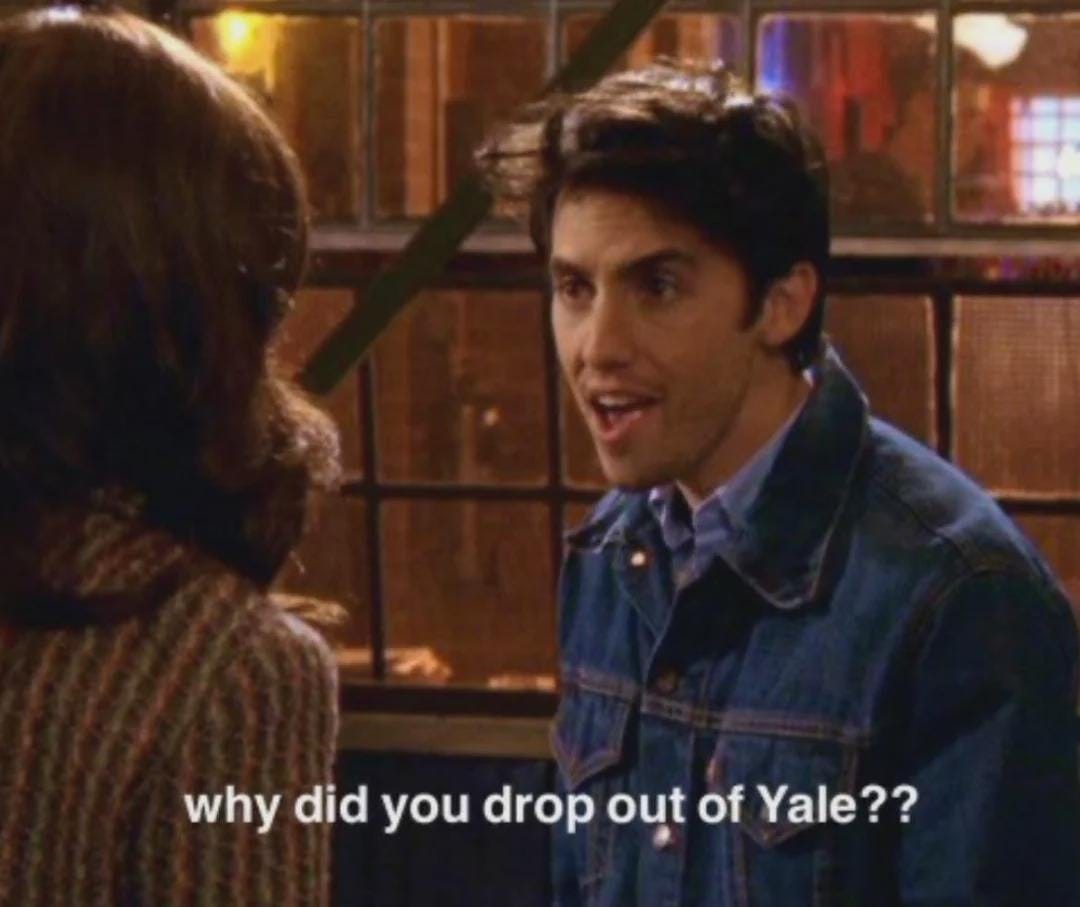
And the patience and empathy you would expect from your friends doesn’t come because this audience is not your group of friends. This audience looks at you as a Barbie doll whose storyline they’ve perfectly imagined, they look to you as a role model of a life they maladaptive daydream to at night. You’re not a person, you’re a product. You belong to them and their wildest fantasy. Once you step out of that mold, you become the enemy.
Unfortunately, people on the internet genuinely believe that this is normal behavior, and will carry it over to how they interact with every person on the internet. Whether it’s an influencer, or a regular person who didn’t expect their video to go viral. Since 2020 we’ve all essentially lived our entire lives out on the internet, so it’s difficult to draw a line of separation. Everyone could become a victim of the parasocial monsters.
Especially when you decide to play out your love life on national television.
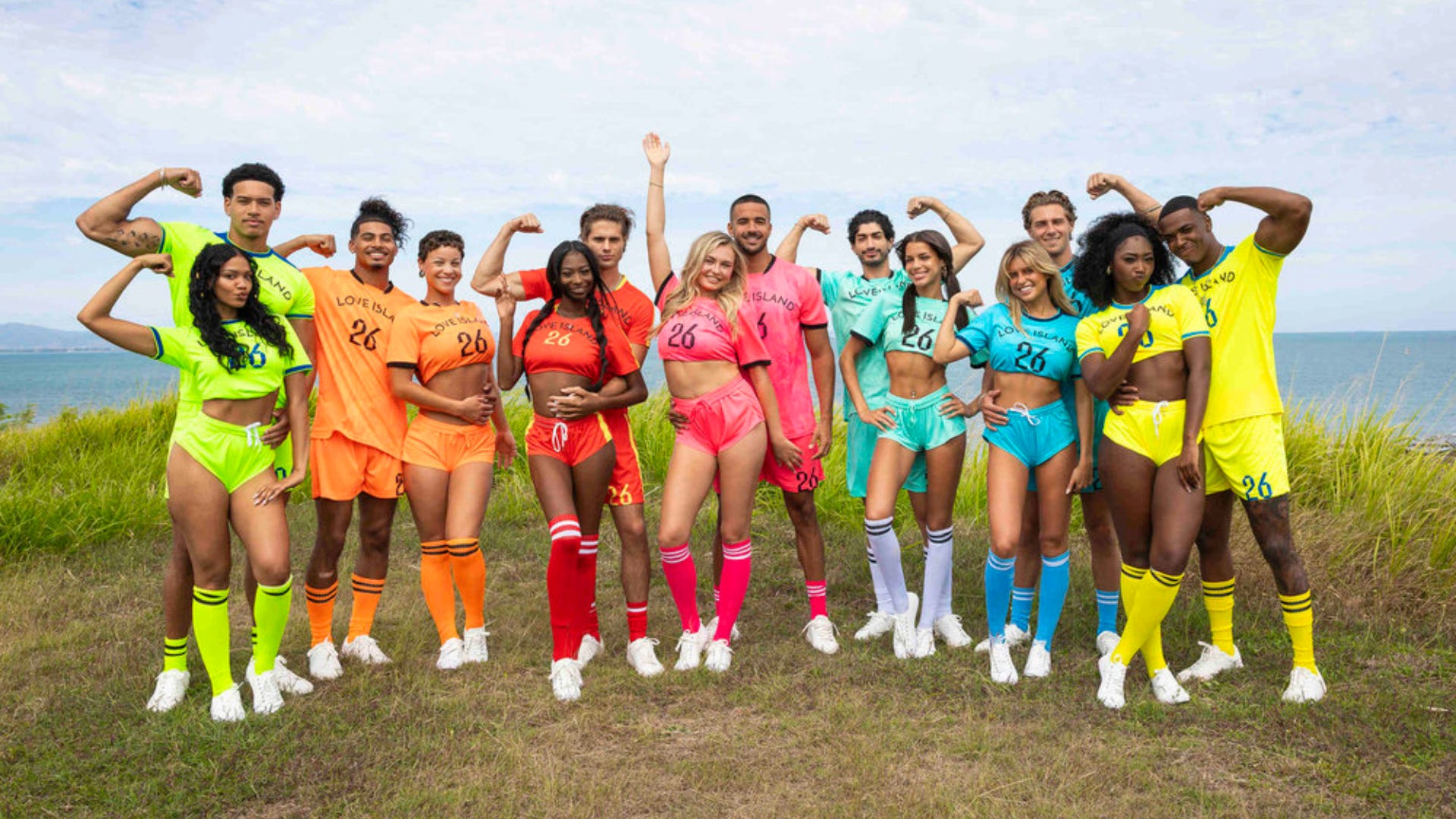
I’m in an abusive relationship with Love Island USA. Every season they hit me with some of the worst things I’ve ever endured and every single year I’m more than willing to go back for more. (Even after saying multiple times I won’t be watching).
There’s something sinister about a show that comes on every single night at 9pm giving us a glimpse into the lives of people we do not know and would never meet otherwise. Then editing their behavior and facial expressions into a tight hour, and allowing us to use that information and vote on their fates based on heavily produced situations that we’ll never have the full context on. Essentially playing God and allowing for the dumbest people in America to act as the disciples.
Every year we deal with a particularly stupid or misogynistic corner of the fandom but there’s been an obvious increase in parasocial discourse since the infamous Season 6.
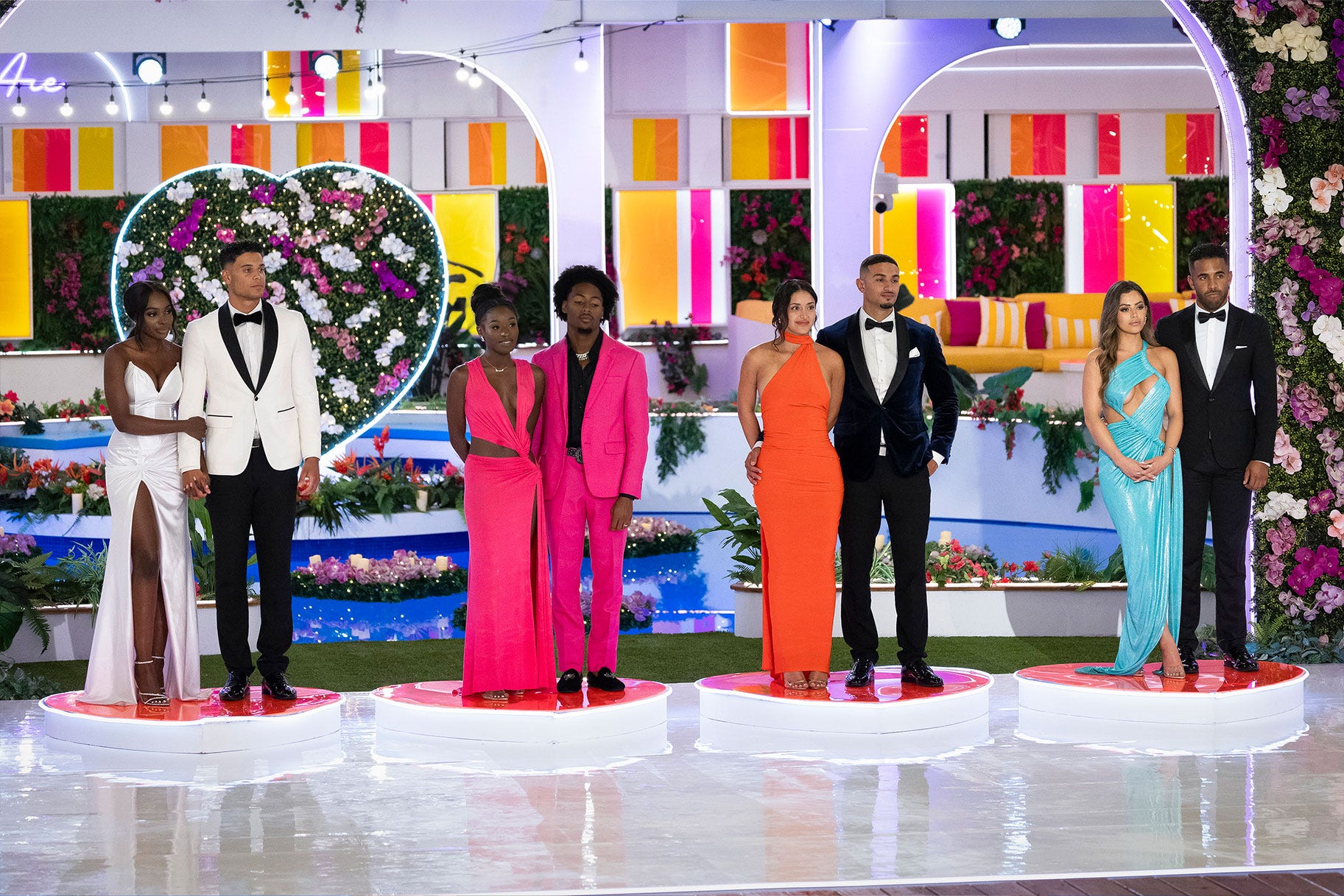
When Serena, Leah, and Jana all left the villa close friends with (assumedly) the love of their lives, people everywhere got invested with the idea of their specific experience and also the Love Island experiment itself.
Because it is an experiment, isn’t it? Putting 12 singles on an island with no phones, no music, no tv, no entertainment, and no connection to the outside world? Quarantining them for 2 weeks and then releasing them into the arms of people that were interviewed, psychologically tested, and methodically casted in order to make good TV. Read that again. To make good TV. Because that’s something else that the audience that clings to these contestants seem to forget, these producers’ main concern is making the best and most memorable season of television, they could give a damn who really “falls in love”.
But again, those who watched and fell in love with PPG and the men they were dating, had an unrealistic expectation for every season moving forward. And for PPG moving forward. Watching Serena, Jana, and Leah all bond and have relatable conversations that we see groups of women have in real life made those who are looking to fill that void feel as if they were apart of that friendship. So they became monitors of all of the dynamics to ensure that nothing fell apart, and the fantasy they were so committed to in the summer of 2024 was still in tact.
None of these women can make a TikTok or vlog without someone in the comments frantically wondering where the other two are. If Leah and Serena are hanging out, there’s a thinkpiece posted about how they aren’t really friends with Jana and why they know this to be true.
America has projected themselves onto this friendship, and all of their relationships instead of creating meaningful relationships of their own.
Because of the standard that was set by them, all eyes were on the cast of Season 7.
God, Season 7.
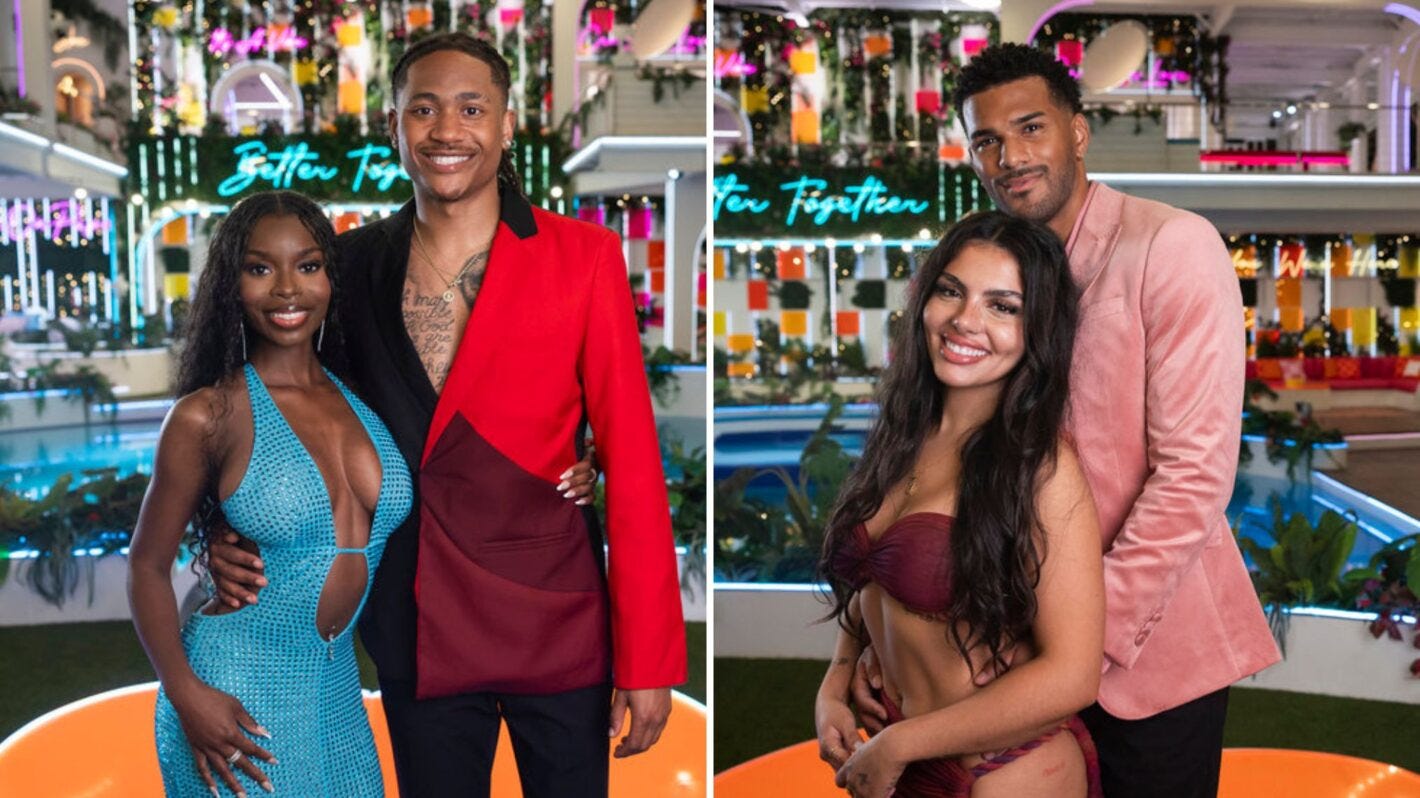
We were in hell weren’t we?
I’ve never been more convinced that the contestants of a show studied the show prior to getting cast before in my life. Did they do a good job? No, they did not. But I definitely believe that they had an agenda, and were all playing the game to an extent. Because of this, the relationships and the friendships that people expected from Season 6 were nonexistent. Nothing that was happening on this season felt organic, and the drama that was happening was draining early on.
But examining the fandom during this season really does open your eyes to what we’re dealing with now in Season 8. Immediately, based on cast photos and looks, people picked their “clients” and stuck to them for the entirety of the show. Casting their clients in couples, in friendships, and in relationships and making fan edits you would expect from a fictional television show. This creates an idea that these contestants are dolls in our own imagination who work and live for us, and when they have human reactions, discussions, and emotions it makes it easy to completely turn on them and berate them because they don’t exist to us.
When Huda was acting as she did, viewers took upon themselves to find her child’s father on the internet and message him to get “inside info” on her and her parenting. To theorize that she didn’t have custody of her child, to look into her past relationships and content, and allegedly call CPS on her to attempt to get her child taken away from her while she was in the villa.
(This is a rumor I saw that I can’t confirm or deny, but I remember seeing people discuss it at length online so I’d be remiss not to bring it up)
When islanders like Chelley and Olandria didn’t fall into the categories they were casted in, the public reaction to them became violent. Everyone saw cast photos of Huda, Chelley, and Olandria and decided that they would be the new PPG. Olandria and Chelley bonded, and didn’t take to Huda because of her behavior on the show early on.
Their distaste for her boiled over as she would react to certain things in and out of her couple. This being screaming and cursing at Jeremiah, cursing and belittling new bombshells, etc. Immediately, when the islanders would discuss and/or address Huda and her behavior, Chelley and Olandria were singled out and deemed mean girls. Which if you’ve been online as long as I have been, you know that to the public that is basically a death sentence.
Being the only two darkskinned Black women on the show, the audience felt a different level of comfortability to obliterate them online. Their humanity was already being stripped from them because of their involvement on the show, but the backwards philosophy that when someone is a “mean girl” they deserve whatever bigoted response they get caused the audience to turn into the KKK.
Buzzfeed posting an article saying that they’d feed Chelley a “knuckle sandwich.” Viewers roleplaying beating up Chelley and Olandria. And fans photoshopping Olandria’s face onto George Floyd’s.
Obviously, it’s normal to dislike a contestant on a reality show but when it gets to a point where people feel comfortable enough insert themselves in these islanders lives, berate them in a way that they’d never to do someone in their real life, we have to ask what is making these people feel this entitled to these people’s bodies, faces, and lives?
The draining everyday discourse from Season 7 (and beyond, the way audiences clung to this cast for an entire year is a newsletter in itself) made people come into the new season with high standards and low tolerance.
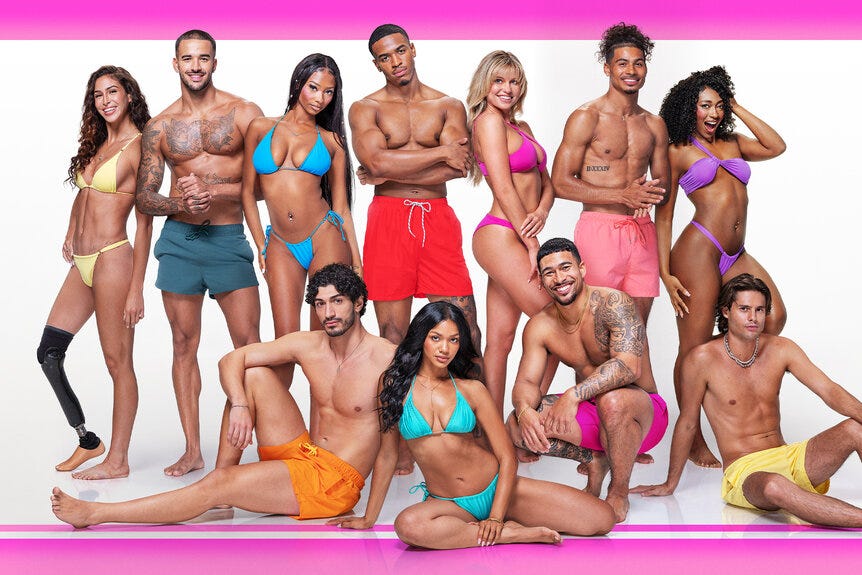
Season 7 is/was a failed social experiment that the masses had no tolerance for. They had strict rules for Season 8:
No “birds”.
No friendship island.
No mean girls.
No locking in too early.
And in Week 1, the audience proclaimed rules were broken and the women were immediately getting torn apart.
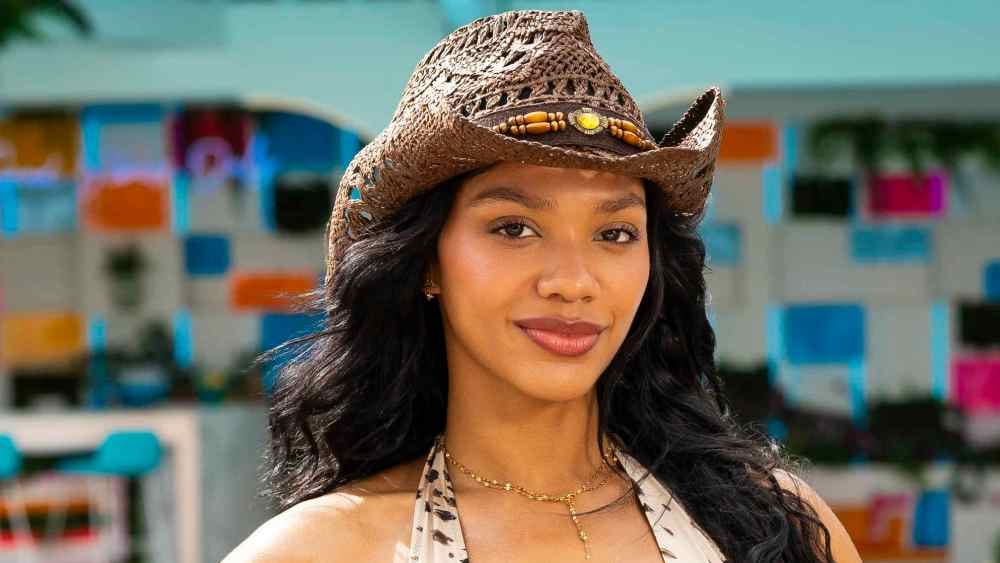
By the fourth episode of Season 8, Melanie was public enemy number one. Immediately deemed “crazy” and a mean girl.
After the confrontation between Beatriz and Melanie in Episode 4, Melanie gets up and walks away clearly emotional. Aniya asks her to come back and she repeats “give me 10” over and over while we can clearly hear her getting choked up. That night on the internet, everyone on every app had already started picking her apart. Immediately calling her crazy and a lunatic for (what I thought was) a clear emotional regulation tactic.
As Matthew Zawadzki, PhD, (a professor at UC Merced who studies perceptions of one’s own and other’s emotions) explains, “‘Emotional’ is a term used to label women whom you don’t want to have a voice in a situation. When a couple is having an argument, even if a woman has a well-thought-out reason for being upset, a guy might say, ‘You’re just being emotional.’ It’s a way to discredit her instead of having to listen; the words ‘you’re acting crazy’ really mean ‘I don’t have to pay attention to you.’” — “Stop Telling Women They’re Crazy” Amber Madison, Refinery29.
This label followed her around in the villa for a long time.
People called her a mean girl and a weirdo for something that was objectively squashed in an episode’s time, and took it further to start to dig into her past and start to psychoanalyze her based on photos.
The fans found out that Melanie used to be a plus sized model, and started to theorize on how because she used to be fat that she was overcompensating because she had “never been” the pretty girl in the room before. They started digging into their perception of her psyche and what they felt like she saw herself as because of her former weight.
Which somehow isn’t a reflection of the viewers and how they view beauty and their own internalized fat phobia. But instead a reflection of Melanie who never mentioned or showed that she was jealous of the women because she used to be fat.
Every look, every facial expression, every comment with clear context was taken and twisted to fit a narrative that people created based off of one conversation and they didn’t forgive her for episodes because she had the nerve to be the first one to cry on camera multiple times. While the other girls hadn’t. Besides Kenzie, but she’s white, so she was forgiven and coddled.
The female viewers of Love Island watched as Melanie was being lied to by Sincere and still found ways to defend him and discredit her feelings because of her actions inside and outside of challenges that they deemed unworthy. Thus voting Sincere with Sol in a desperate and wicked attempt to “humble her”, and only apologizing once Sincere (who had been lying the entire time BTW) had lied one too many times for the viewers. Then all of the sudden, the blame was put onto production. Production made them see her that way, they didn’t realize that she wasn’t so bad. They didn’t realize that the light skinned man with a 18 inch buss down named Sincere was the problem.
Production or internalized misogynoir?
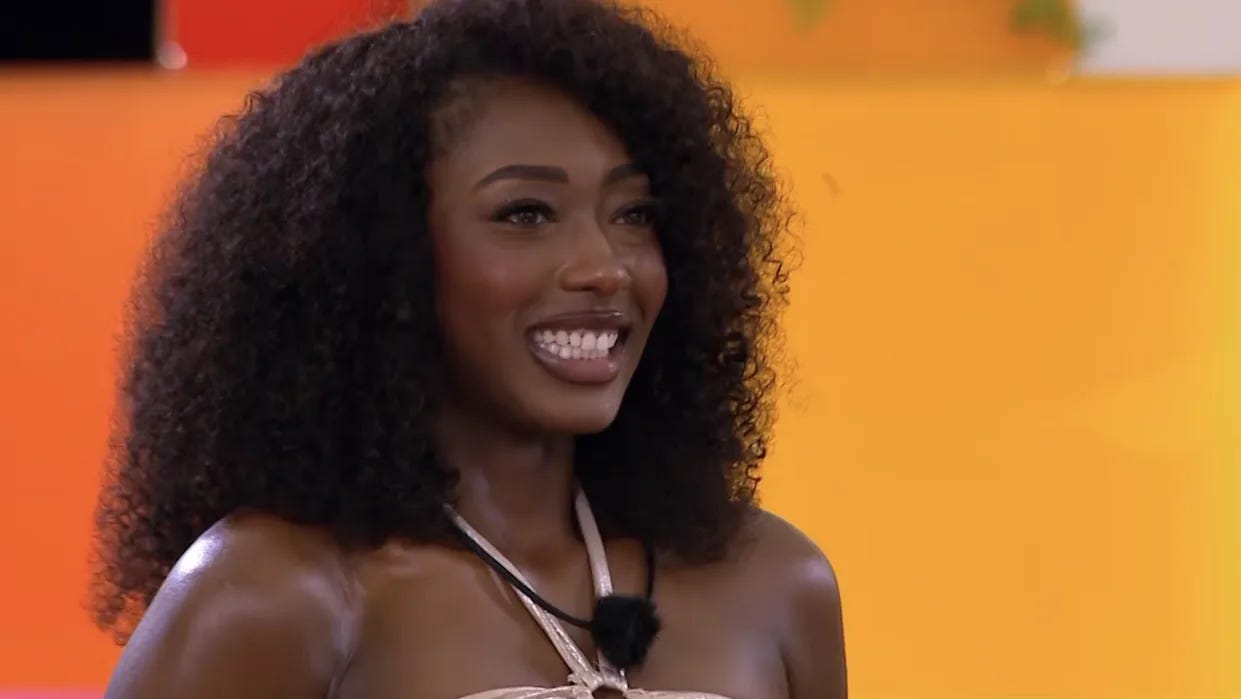
I want everyone to know I am writing this section after the Casa recoupling.
KC, do you see that black car coming around the corner?
As someone who never believed in Kaniya, I’ve looked at the reactions to their relationship under a very critical lens. As KC loves to mention, Aniya and KC were put together in a forced couple because no one was at his door and Aniya wanted to couple up with Sincere.
While their relationship was a forced proximity situation, people immediately fell in love with their dynamic (truthfully because the people are starved for Black love representation in Nicolandria’s America). However, I never truly felt that Aniya could let herself feel comfortable in a relationship with KC. In the beginning of the show, I thought it was just because she didn’t like him. Which is allowed. But the audience immediately started dogpiling on her and calling her an insecure colorist because she wasn’t making the choice they thought she should make. They felt that because KC was being nice to her and actually trying in their relationship that Aniya owed him more loyalty. People slammed her online and are still slamming her online for not giving KC a “fair chance”, but being upset that he moved on.
When KC seemingly gave her a well intentioned speech about how dark skinned women are the blueprint, moving Aniya to tears, the vitriol towards her seemed to grow. Viewers not understanding why she wasn’t head over heels for him since he was saying everything right. As if, everyone shouldn’t feel like dark skinned women deserve to be desired. (Like guys, this is bare minimum stuff).
But online viewers weren’t the only ones starting to grow weary of Aniya. KC was too. Feeling that the amount of reassurance and confidence that he poured into her should earn him some play in the bedroom. And at this point, this is when the mask that I always knew was there started to slip.
But people still defended him, saying that the viewers were twisting his words and trying to bring a Black man down. Aniya —who stated that KC constantly liked to push boundaries (#watdatmean) —was the problem because why wasn’t she getting physical with him even though she just met him? He says such nice things about her.
Projection is a defense mechanism where individuals subconsciously attribute their own undesirable traits to others to avoid facing these traits themselves. Rooted in the psychoanalytic theory suggested by Sigmund Freud, projection can harm personal relationships and contribute to issues like jealousy or misunderstanding. — Projection as a Defense Mechanism
Through relationships, fictional or otherwise, you will see viewers completely project themselves onto whoever they relate to the most. Or whoever they refuse to admit that they relate to.
#NotAllMen is a phrase and hashtag because a lot of men cannot hear about the shortcomings of other men without taking it on as a criticism of their own self. They feel it’s necessary to stand at the front lines and defend bad behavior in case anyone would assume that they would do some of the nefarious things they hear about just because of their gender.
A lot of women do the same thing when discoursing about relationships. It’s not a secret that a lot of us have had a moment or two, where we’ve accepted less than we deserve in a relationship with a man and wish we hadn’t. It’s not a secret that some of us have lied in bed with cheaters and forgiven liars. And when we think back on what we should’ve done instead, it upsets us. We lie in bed and wish for a nice beautiful guy like Carl or Corey to come whisk us away and change our lives.
So when we’re faced with a woman who is going through the same things we went through, not making choices that we wish we had the option to make, we get angry and embarrassed instead of having grace and empathy.
As if someone has taken the Love Island 24 hour surveillance and turned it onto us in our living rooms, saying, “See, she’s just like Aniya and Melanie!”
We’re all well aware of the unique situation the girls are in on the show, they don’t have access to any of the information we have access to. In Casa, the girls are always the ones at an unfair advantage, where they’re trying to replicate 3 weeks of connection into 3 days, missing the one they came in with.
When Trinity and Bryce (my winners) were crying over each other, it was sweet and romantic that Trinity couldn’t be with anyone else. But immediately the switch is flipped because Aniya’s man isn’t being loyal to her. So is she supposed to switch off her feelings because of that?
“because they’re human beings who have nothing besides kiss and hug on these men for 3 weeks… love island is designed to make these people fall in deep and fast. they have no phones, no hobbies, no jobs, and no distractions.. all they have to focus on is these men. emotions get clouded. have some empathy.” —- Me, on Twitter.
When these contestants are on our television, we’ve wiped them clean of any of their identities and project our personalities onto whoever we see fit. We project our ain’t shit ex boyfriends onto the ain’t shit men and project our high school bullies onto women who look the part. Then you open your cameras and press record having live therapy sessions, expecting people to take you as philosophers and anthropologists just because you talk with some conviction. But somehow the men escape accountability, our vitriol is only reserved for the women we’re looking at do the things that we and our friends do in real life. Why is that?
Misogynoir is the term for anti-Black misogyny against Black women. Black women are often viewed as older or more mature or placed into roles that discredit our experiences as multifaceted women. It’s something that’s easy to spot when coming from other races, we’re discredited in medical spaces, the workforce, and everyday life. But what seems to go over our heads is when it comes from our own community and our own selves.
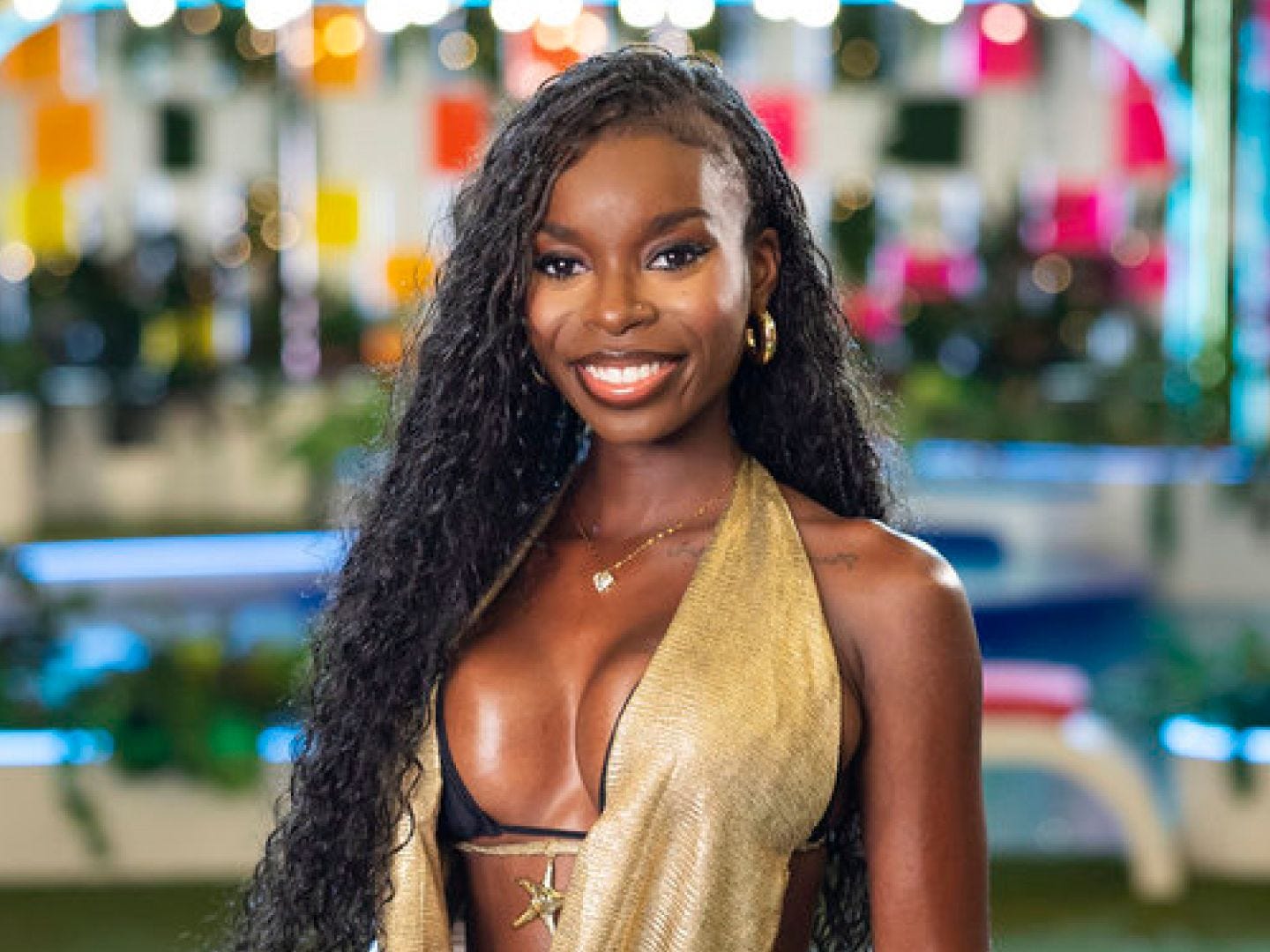
If we take a look back at Olandria in Season 7, who was dumped from Casa after not being chosen by one of the Casa boys. Something that stood out to everyone was her lack of reaction even after being surrounded by her crying friends. When asked, she said that she always had to be strong. Which was clearly represented every time she was in conflict or was being passed over for someone else. Her lack of emotion was also used against her in the “mean girl” argument.
Black women online felt for her and sent her well wishes, and encouraged her to show emotion because Black women should have the right to softness and to sadness and to the full scope of human emotion that everyone else gets access to.
But now fast forwarding to this season, we are seeing Black women in real time react in human ways to their pain and conflict, and it’s unacceptable. They’re not “playing the game”, they’re “birds”, they’re not standing on business. To follow their hearts and not logic or what other people are telling them is a moral failure and not something that is normal. There’s no other race of women that stay with men that mistreat them that face this amount of violent backlash other than us. We’re so impatient with each other and disguise it as love or respect.
Our contradictory reaction to each other based solely on relatability or when we feel like it’s valid to have feelings is reinforcing the misogynoir we face from other communities everyday.
I think it’s backwards to slam a woman for falling for manipulation instead of slamming a man for manipulating. And I’ve noticed that the girls get a lot more backlash than KC, Sincere, Corbin, and Zach. Which feels crazy to me.
In real life, I’ve readjusted the way that I give relationship advice to friends. I’ve tried the tough love approach and all it’s done is push friends that I love away from me. And judging them or defaming them because they’re clouded in something has started to feel wrong. I’ve realized that I feel as if I’m dehumanizing my loved ones for having a “weaker” moment, and in the grand scheme of their lives it won’t define them. Just like my weaker moments have not defined me. Personally, I find that all my mistakes and shortcomings have changed me for the better. Therefore I watch how I speak about everyone in relationships I disagree with (if the partner is not bigoted), because most people come around. Most people have their own limits of what they can and will deal with and they’re never going to align with our limits since we’re all at different stages of our lives. It’s not on your timing, because it’s not you.
Obviously this advice is situation to situation. But I think we should all put kindness and empathy in our forefront when dealing with each other. When watching people through screens either on television or through social media, it’s important to give yourself a reality check. Once this episode or this video ends, you no longer know the person you’re engaging with. There are hours upon hours of time that you are not involved in. You are not privy to their conversations with their mom, their friends, their parents, the producers, their prayers, their journal entries.
Just like when you hug your friend goodbye, if they don’t tell you every thought in their head and every word out of their mouth in your time apart, you don’t know what happens to them behind closed doors.
A popularized therapy term that I’ve been thinking about lately is “intention vs impact.” Which is the saying people use to help each other understand that regardless of intention, the impact of your action is important as well. A lot of the time, I hear people say intention vs. impact while throwing out the intention as a factor at all. Because of this, people only judge each other based on action instead of measuring their actions to their heart, their morality, and who they are as people. Everyone makes bad decisions and hurts each other, everyone does stupid things, it’s apart of the human experience. And of course, you can decide on who you keep around you, who gets your support, which influencers and reality stars you want to keep up with because of their actions. But I think it’s important to also consider the human side of people along with their action before you speak on them and psychoanalyze them into villains or idiots or birds.
Our patience with the people in the public eye will eventually trickle down to our real life relationships. If we continue on a path of dehumanizing people to fit our own narratives, one day the judgement we spew will knock on our own front doors.